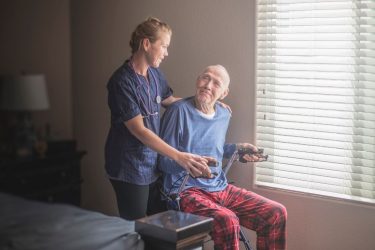


Senior isolation is a growing concern in our society. It refers to the condition where older adults find themselves separated from meaningful social interactions, leading to feelings of loneliness and solitude. This isolation doesn’t just affect the number of friends an individual has; it deeply impacts their mental and emotional well-being. Sadly, this problem is on the rise, with modern society presenting new challenges to senior socialization.
The importance of companionship and social connections in alleviating isolation cannot be overstated. These connections offer a lifeline to seniors, providing not just interaction but also emotional support. When seniors have someone to talk to, share experiences with, or lean on during difficult times, it significantly enhances their overall quality of life.
The Growing Concern of Senior Isolation
The consequences of senior isolation are profound. It affects both physical and mental health. Seniors who experience isolation often suffer from deteriorating physical health due to lack of motivation and reduced physical activity. On the mental health front, isolation can lead to depression, anxiety, and cognitive decline. Real-life stories and statistics paint a grim picture, highlighting how isolation can lead to a decline in overall well-being.
Loneliness Epidemic: Isolation among seniors is a pressing concern, often referred to as a “loneliness epidemic.” As individuals age, they may face various challenges that contribute to their isolation:
Loss of Loved Ones: The passing of spouses, friends, or family members can leave seniors with a profound sense of loneliness. Grief compounds the feelings of isolation, creating a challenging emotional landscape.
Physical Limitations: Physical limitations, such as mobility issues or health problems, can hinder seniors from engaging in social activities or visiting loved ones. This physical confinement can exacerbate feelings of loneliness.
Geographical Separation: Seniors may find themselves living far from family members, making regular visits challenging. The lack of regular interactions with loved ones can lead to social isolation.
Retirement Transition: The transition from a busy work life to retirement can sometimes leave seniors feeling isolated. With fewer opportunities for social interaction in retirement, they may struggle to find purpose and fulfillment.
The Significance of Social Connections
The benefits of social interactions and companionship for seniors cannot be understated. Engaging with others not only brings joy but also acts as a protective shield against mental health issues. Regular social engagement can significantly reduce the risk of depression, anxiety, and cognitive decline. Furthermore, maintaining existing relationships and forming new ones in the senior years is vital for promoting mental and emotional well-being.
A Vital Lifeline: Social connections are a vital lifeline for seniors. Having someone to talk to, share experiences with, and rely on for emotional support can significantly improve their quality of life. These connections serve as a powerful antidote to the often overwhelming feelings of loneliness and depression.
Improved Mental Health: Regular companionship and emotional support have been linked to improved mental health outcomes among seniors. Studies have shown that seniors who receive this kind of care often experience reduced rates of depression and anxiety.
Enhanced Cognitive Function: Social engagement can also positively impact cognitive function. Engaging in conversations, puzzles, and other interactive activities with companions helps keep the mind sharp and active.
KindredCare: A Solution for Senior Isolation
KindredCare is at the forefront of senior care with its unique approach. It recognizes the importance of companionship and emotional support in senior care and has developed a groundbreaking system to address these needs. The heart of their approach is their caregiver matching system. This system, powered by advanced technology, connects seniors with caregivers who share not only the required skills but also common interests and values.
Personalized Caregiver Matching: KindredCare uses advanced technology and a meticulous matching process to pair seniors with caregivers who not only possess the necessary skills but also share common interests and values. This compatibility fosters genuine connections between seniors and caregivers.
Emotional Well-being: Caregivers from KindredCare provide not just physical assistance but also emotional support. They engage in conversations, companionship activities, and hobbies that bring joy and fulfillment to seniors’ lives.
Reduced Isolation: By having a dedicated caregiver, seniors have a consistent presence in their lives, reducing feelings of isolation. Caregivers can assist with outings, facilitate social interactions, or simply spend quality time with their senior clients.
Improved Mental Health: Regular companionship and emotional support have been linked to improved mental health outcomes. Seniors who receive this kind of care often experience reduced rates of depression and anxiety.
The Future of Senior Care
The future of senior care involves addressing the critical issue of isolation. Initiatives like KindredCare set the stage for the future, highlighting the importance of personalized care and meaningful connections. Collaboration between families, communities, and innovative senior care providers is essential to combat senior isolation effectively.
We urge you, our readers, to join us in taking action. Together, we can create a brighter future for seniors, where isolation is replaced with companionship and well-being.
In summary, senior isolation is a pressing issue that affects millions of older adults. However, solutions like KindredCare offer hope. By emphasizing companionship and emotional support, KindredCare is making a significant difference in the lives of seniors. The importance of addressing senior isolation cannot be overstated. It’s not just about improving social connections; it’s about enhancing mental and emotional well-being, creating happier and healthier golden years. We encourage you to explore KindredCare’s services and get involved in initiatives combating senior isolation. Together, we can ensure that no senior feels alone in their journey.Addressing Isolation Among Seniors: How KindredCare Promotes Social Connections and Mental Well-being