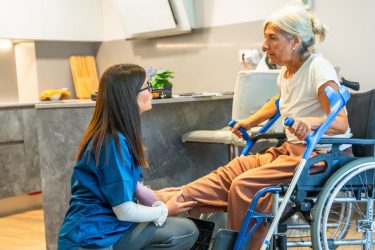


Confused about whether your loved one needs a caregiver or a nurse? You’re not alone. This comprehensive guide breaks down the essential differences between these crucial healthcare professionals, their unique roles, and how to make the right choice for your family’s specific needs.
The Great Healthcare Professional Debate
Imagine this scenario: Your 78-year-old mother has been managing well at home since Dad passed away, but lately, she’s been struggling with daily tasks. She needs help with medication reminders, meal preparation, and companionship, but she’s also been recently diagnosed with diabetes. Do you need a caregiver or a nurse?
If you’re scratching your head over this question, join the thousands of Canadian families who face this same dilemma every day. The distinction between caregivers and nurses isn’t always clear-cut, and making the wrong choice can lead to inadequate care, unnecessary expenses, or even safety risks.
The truth is, both caregivers and nurses play vital roles in Canada’s healthcare ecosystem, but they serve distinctly different purposes. Understanding these differences isn’t just about getting the right person for the job – it’s about ensuring your loved one receives the most appropriate, cost-effective, and compassionate care possible.
In this comprehensive guide, we’ll demystify the roles of caregivers versus nurses, explore their unique qualifications and responsibilities, and help you navigate the decision-making process. Plus, we’ll show you how modern platforms like KindredCare are revolutionizing the way families find the perfect care professional for their specific needs.
Understanding Professional Caregivers: The Heart of Daily Support
What Is a Professional Caregiver?
Professional caregivers are trained individuals who provide non-medical support to seniors and individuals with disabilities in their homes or care facilities. Think of them as the bridge between independence and medical care – they focus on enhancing quality of life through practical assistance and emotional support.
Core Responsibilities:
- Personal care assistance: Help with bathing, dressing, grooming, and toileting
- Meal planning and preparation: Cooking nutritious meals that accommodate dietary restrictions
- Medication reminders: Ensuring medications are taken on schedule (but not administering)
- Light housekeeping: Maintaining a clean, safe living environment
- Transportation: Assistance with errands, medical appointments, and social activities
- Companionship: Providing social interaction and emotional support
- Safety monitoring: Watching for changes in condition or potential hazards
Types of Professional Caregivers in Canada
Personal Support Workers (PSWs) PSWs represent the most common type of caregiver in Canada, requiring formal training through accredited programs. They complete 600-700 hours of education covering anatomy, personal care techniques, and communication skills.
Home Support Workers, These professionals focus primarily on household tasks and daily living assistance, requiring less formal training than PSWs but still maintaining professional standards.
Companion Caregivers Specializing in companionship services, these caregivers focus on social interaction, light assistance, and emotional support for seniors who are relatively independent.
Training and Certification Requirements
Canadian caregivers typically complete:
- Formal education programs: 6-12 months of training covering personal care, safety, and communication
- First aid and CPR certification: Essential for emergency response
- Background checks and references: Ensuring safety and reliability
- Ongoing education: Staying current with best practices and regulations
The benefits of professional caregiving extend far beyond basic task completion these professionals often become trusted companions who understand their clients’ preferences, fears, and joys.
When You Need a Caregiver
Consider a professional caregiver when your loved one:
- Needs help with daily activities but doesn’t require medical intervention
- Would benefit from regular companionship and social interaction
- Requires assistance with household tasks and meal preparation
- Needs medication reminders (not administration)
- Is recovering from illness but doesn’t need skilled nursing care
- Benefits from having aging in place rather than moving to a facility
Understanding Professional Nurses: Medical Expertise at Home
What Is a Professional Nurse?
Professional nurses are licensed healthcare professionals who provide medical care and health monitoring in various settings, including patients’ homes. They bring clinical expertise and can perform medical procedures that caregivers are not qualified to handle.
Core Responsibilities:
- Medical assessment and monitoring: Checking vital signs, monitoring symptoms
- Medication administration: Giving injections, managing complex medication regimens
- Wound care: Cleaning, dressing, and monitoring healing progress
- Disease management: Coordinating care for chronic conditions
- Health education: Teaching patients and families about conditions and treatments
- Care coordination: Working with doctors and other healthcare professionals
- Emergency response: Recognizing and responding to medical emergencies
Types of Nurses Providing Home Care
Registered Nurses (RNs) RNs hold university degrees or college diplomas in nursing and are licensed by their provincial regulatory body. They can perform complex medical procedures and make clinical judgments about patient care.
Licensed Practical Nurses (LPNs) / Registered Practical Nurses (RPNs) These nurses have completed diploma programs and work under RN supervision. They can provide basic medical care but have more limited scope of practice.
Specialized Nurses Some nurses specialize in specific areas like dementia care, hospice care, or diabetes management.
Education and Licensing Requirements
Canadian nurses must complete:
- Formal nursing education: 2-4 years of post-secondary education
- National licensing exam: Passing the NCLEX-RN or provincial equivalents
- Provincial registration: Maintaining active license with regulatory bodies
- Continuing education: Regular training to maintain licensure
- Specialized certifications: Additional training for specific medical areas
When You Need a Nurse
Consider professional nursing when your loved one:
- Requires medication administration beyond simple reminders
- Needs wound care or medical equipment monitoring
- Has complex chronic diseases requiring skilled monitoring
- Is recovering from surgery or hospitalization
- Needs rehabilitation support from trained professionals
- Requires coordination between multiple healthcare providers
Key Differences: Side-by-Side Comparison
Education and Training
| Aspect | Professional Caregivers | Professional Nurses |
|---|---|---|
| Education Length | 6-12 months | 2-4 years |
| Degree Level | Certificate/Diploma | Diploma/Bachelor’s |
| Licensing Required | Provincial certification | Provincial nursing license |
| Scope of Practice | Non-medical support | Medical care and procedures |
| Continuing Education | Annual updates | Mandatory ongoing requirements |
Scope of Practice
Caregivers CAN:
- Assist with personal hygiene and grooming
- Prepare meals and provide nutrition support
- Offer medication reminders and organization
- Provide transportation and errands assistance
- Offer companionship and emotional support
- Perform light housekeeping and safety monitoring
Caregivers CANNOT:
- Administer medications (injections, IV therapy)
- Perform medical assessments or diagnoses
- Provide wound care or medical treatments
- Make medical decisions or treatment changes
- Operate complex medical equipment
- Provide skilled rehabilitation therapy
Nurses CAN:
- Everything caregivers can do, plus:
- Administer medications including injections
- Perform medical assessments and monitoring
- Provide wound care and medical treatments
- Operate and monitor medical equipment
- Coordinate with healthcare teams
- Make clinical judgments about patient condition
Cost Considerations
Caregiver Costs (Average Canadian rates):
- PSW services: $25-$35 per hour
- Companion care: $20-$30 per hour
- Live-in care: $150-$250 per day
- Partial government funding may be available through provincial home care programs
Nursing Costs (Average Canadian rates):
- RN services: $45-$65 per hour
- LPN/RPN services: $35-$45 per hour
- Specialized nursing: $50-$80 per hour
- Insurance coverage often available for medically necessary care
Availability and Scheduling
Caregivers typically offer:
- Flexible scheduling including evenings and weekends
- Live-in arrangements for 24/7 support
- Part-time or full-time commitments
- Respite care for family caregivers
Nurses usually provide:
- Scheduled visits for specific medical needs
- On-call availability for medical emergencies
- Coordination with medical appointments
- Time-limited visits focused on medical care
The Hybrid Approach: When You Need Both
Many Canadian families discover that the ideal solution involves both caregivers and nurses working together as a coordinated team. This approach combines the compassionate daily support of professional caregivers with the medical expertise of licensed nurses.
Successful Care Team Models
Primary Caregiver + Visiting Nurse: A PSW provides daily assistance while an RN visits weekly to monitor medical conditions, adjust care plans, and coordinate with doctors.
Alternating Schedule Approach: Caregivers handle routine daily care while nurses step in for medication administration, wound care, or during health changes.
Crisis Management Team: Caregivers provide consistent support with nurses available for emergency calls or rapid health changes.
Coordination Benefits
When caregivers and nurses work together effectively:
- Comprehensive care: All aspects of physical, emotional, and medical needs are addressed
- Early intervention: Caregivers can alert nurses to changes requiring medical attention
- Cost efficiency: Using appropriate professionals for specific tasks optimizes expenses
- Family peace of mind: Knowing both daily and medical needs are covered
- Improved outcomes: Coordinated care often leads to better health and quality of life
The aging population challenge in Canada makes this coordinated approach increasingly important as families seek comprehensive care solutions.
Making the Right Choice for Your Family
Assessment Questions to Ask Yourself
Daily Living Needs:
- Can your loved one safely bathe, dress, and groom independently?
- Are they eating regular, nutritious meals?
- Do they need help with household tasks and errands?
- Are they isolated or would benefit from regular companionship?
Medical Requirements:
- Do they have complex medical conditions requiring skilled monitoring?
- Are medications complicated or requiring injection administration?
- Do they need wound care or medical equipment management?
- Are there frequent medical appointments requiring coordination?
Safety Considerations:
- Are there fall risks or mobility concerns?
- Do cognitive changes require supervision for safety?
- Can they recognize and respond to medical emergencies?
- Is the home environment safe and well-maintained?
Family Capacity:
- How much time can family members dedicate to care?
- What care tasks are family members comfortable providing?
- Are there signs of family caregiver burnout?
- What is the budget for professional care services?
The KindredCare Solution: Intelligent Matching for Perfect Care Fits
Navigating the caregiver versus nurse decision doesn’t have to be overwhelming. KindredCare’s innovative platform uses AI-powered matching technology to help families find exactly the right care professional for their specific situation.
How KindredCare Simplifies Your Decision:
Comprehensive Assessment Process: KindredCare’s platform evaluates not just medical needs but also personality compatibility, cultural preferences, and lifestyle factors to ensure the perfect match.
Professional Verification and Quality Assurance: Every caregiver and nurse on the platform undergoes thorough background checks, credential verification, and ongoing quality monitoring.
Flexible Care Options: Whether you need a PSW for daily assistance, an RN for medical management, or a coordinated team approach, KindredCare can facilitate the right connections.
Transparent Matching Process: The platform clearly explains why specific professionals are recommended, helping families understand how the matching criteria align with their needs.
Red Flags: When to Reconsider Your Choice
Warning signs you need MORE medical support:
- Frequent emergency room visits or hospitalizations
- Medication errors or confusion about treatments
- Unexplained changes in health or functioning
- Wounds that aren’t healing properly
- Difficulty managing chronic conditions
Signs you might need LESS intensive care:
- Stable medical conditions with routine management
- Primary needs are social and daily living support
- Cost concerns about over-qualified professionals
- Preference for consistent, long-term relationships over medical expertise
Provincial Differences in Canada
Ontario’s Approach
Ontario’s home care system integrates both caregivers and nurses through Local Health Integration Networks (LHINs), now part of Ontario Health Teams. Families can access both PSW services and nursing care through coordinated programs.
Quebec’s Unique System
Quebec’s CLSC (Local Community Service Centre) system provides integrated care coordination, often determining whether caregiver or nursing services are most appropriate based on comprehensive assessments.
Atlantic Provinces
Maritime provinces often rely more heavily on PSW services due to nursing shortages, making caregiver-focused care plans more common.
Western Provinces
British Columbia and Alberta have invested heavily in home care nursing programs, making skilled nursing more accessible for home-based medical management.
Understanding these provincial differences helps families navigate available resources and funding options for both caregiver and nursing services.
Special Considerations for Common Conditions
Dementia and Alzheimer’s Care
Early Stages: Professional caregivers with specialized dementia training often provide ideal support, focusing on routine maintenance and cognitive engagement.
Advanced Stages: Nursing oversight becomes crucial for medication management, monitoring for complications, and coordinating specialized medical interventions.
Post-Surgical Recovery
Immediate Recovery: Skilled nursing for wound care, medication administration, and complication monitoring is essential.
Extended Recovery: Transition to caregiver support for daily activities while maintaining nursing oversight for medical aspects.
Chronic Disease Management
Stable Conditions: Professional caregivers can manage routine medication reminders and lifestyle support.
Complex or Unstable Conditions: Regular nursing assessment and intervention prevent complications and hospitalizations.
End-of-Life Care
Palliative and hospice care often requires both professionals: nurses for pain management and medical comfort measures, caregivers for emotional support and dignity preservation.
Financial Planning and Funding Options
Government Funding Programs
Provincial Home Care Most provinces provide some funding for both caregiver and nursing services, though eligibility criteria and coverage levels vary significantly.
Veterans’ Benefits Veterans Affairs Canada offers comprehensive coverage for qualifying veterans, including both PSW and nursing services.
Workers’ Compensation Some workplace injuries qualify for long-term care benefits covering appropriate professional services.
Private Funding Strategies
Long-term Care Insurance Many policies cover both caregiver and nursing services, though medical care typically receives higher coverage levels.
Health Spending Accounts Some employers offer health spending accounts that can be used for qualified care services.
Family Cost-Sharing Many families pool resources to afford higher-quality care or to bridge gaps in government funding.
Cost-Benefit Analysis
Caregiver Investment Benefits:
- Lower hourly costs enable longer service hours
- Consistency builds trust and improves care quality
- Prevention of crises that require expensive emergency interventions
- Family stress reduction has immeasurable value
Nursing Investment Benefits:
- Early identification of health changes prevents costly hospitalizations
- Proper medication management reduces adverse events
- Skilled intervention can slow disease progression
- Coordination reduces duplicate services and medical errors
Technology’s Role in Modern Care
Remote Monitoring Integration
Modern care often combines professional services with technology solutions:
- Health monitoring devices that alert both caregivers and nurses to changes
- Medication management systems that complement professional oversight
- Communication platforms enabling seamless coordination between care team members
KindredCare’s Technology Advantage
KindredCare’s platform incorporates cutting-edge features that enhance both caregiver and nursing services:
Electronic Visit Verification (EVV) Ensuring accountability and documentation for both caregiver visits and nursing interventions.
Care Plan Integration Digital care plans that both caregivers and nurses can access and update in real-time.
Family Communication Tools Platforms that keep families informed regardless of whether a caregiver or nurse provided the service.
Quality Monitoring Continuous feedback systems that help optimize the mix of caregiver and nursing services.
Future Trends in Canadian Care
Evolving Roles and Scope
The lines between caregiver and nursing roles continue to evolve:
- Enhanced caregiver training programs expanding scope of practice
- Nurse delegation models allowing supervised medication administration by trained caregivers
- Integrated care teams where professionals work more collaboratively than traditionally
Policy and Regulation Changes
Professional Standards Evolution Canadian provinces are updating scope of practice guidelines to reflect modern care needs and technology capabilities.
Funding Model Innovation New funding approaches focus on outcomes rather than professional categories, encouraging optimal care team composition.
Technology Integration
AI-Assisted Decision Making Platforms like KindredCare are developing more sophisticated algorithms to recommend optimal caregiver-nurse combinations for specific situations.
Predictive Analytics Technology is beginning to predict when care needs will change, helping families transition between caregiver and nursing services proactively.
Making Your Decision: A Step-by-Step Guide
Step 1: Comprehensive Needs Assessment
Medical Evaluation Have a healthcare professional assess current medical needs and likely progression.
Functional Assessment Evaluate daily living capabilities and areas where assistance is needed.
Safety Assessment Consider home safety, fall risks, and emergency response capabilities.
Psychosocial Assessment Understand personality, preferences, and social needs that affect care decisions.
Step 2: Resource Investigation
Research Available Services Understand what caregiver and nursing services are available in your area.
Explore Funding Options Investigate government programs, insurance coverage, and private pay options.
Connect with Local Resources Contact provincial health authorities, community organizations, and platforms like KindredCare for guidance.
Step 3: Professional Consultation
Healthcare Team Discussion Involve doctors, social workers, and other professionals in decision-making.
Care Planning Meeting Organize family discussions about preferences, capabilities, and resources.
Professional Service Interviews Meet with potential caregivers and nurses to assess compatibility and expertise.
Step 4: Trial and Adjustment
Start with Short-term Arrangements Begin with trial periods to assess effectiveness of chosen approach.
Monitor and Evaluate Regularly review whether the caregiver-nurse decision is meeting needs.
Adjust as Needed Be prepared to modify arrangements as conditions or circumstances change.
Common Mistakes to Avoid
Underestimating Medical Needs
Many families choose caregivers when nursing oversight would prevent serious complications. Warning signs include:
- Frequent medication errors or confusion
- Unmanaged chronic conditions
- Recurring health crises
- Inadequate wound care or infection monitoring
Over-Medicalizing Care
Conversely, some families choose expensive nursing services when caregiver support would be more appropriate and cost-effective:
- Stable medical conditions with routine management
- Primary needs being social and daily living support
- Desire for consistent, relationship-based care
- Budget constraints affecting care duration
Ignoring Personality Fit
Both caregivers and nurses need to be compatible with care recipients. Person-centered care requires attention to:
- Communication styles and personality compatibility
- Cultural and language preferences
- Shared interests and values
- Respect for individual dignity and preferences
Failing to Plan for Change
Care needs evolve over time. Common planning mistakes include:
- Choosing inflexible service arrangements
- Failing to reassess needs regularly
- Not preparing for emergency situations
- Ignoring caregiver or nursing availability changes
Success Stories: Real Canadian Families
The Johnson Family – Toronto, ON
Challenge: 82-year-old Robert needed help after a fall but resisted “medical” intervention.
Solution: KindredCare matched the family with Maria, a PSW who shared Robert’s love of gardening. As Robert’s condition stabilized, they occasionally added nursing visits for blood pressure monitoring, creating a perfect balance.
Outcome: Robert remained at home for three additional years, maintaining his independence while receiving appropriate oversight.
The Chen Family – Vancouver, BC
Challenge: Mrs. Chen had diabetes and limited English, requiring both medical and cultural understanding.
Solution: Through KindredCare’s matching system, they found both a Mandarin-speaking caregiver for daily support and a nurse experienced with diabetes management and cultural sensitivity.
Outcome: Improved diabetes control, cultural comfort, and family peace of mind about coordinated care.
The MacDonald Family – Halifax, NS
Challenge: After Dad’s stroke, the family wasn’t sure whether they needed skilled nursing or caregiver support for his recovery.
Solution: KindredCare’s assessment process recommended starting with nursing for initial recovery, then transitioning to a specialized caregiver as Dad’s condition stabilized.
Outcome: Cost-effective care progression that optimized professional expertise at each stage of recovery.
Conclusion: Your Perfect Care Match Awaits
The choice between a caregiver and nurse isn’t always black and white. The best care often involves understanding the unique strengths each professional brings and matching those strengths to your family’s specific needs and circumstances.
Professional caregivers excel at:
- Building long-term, trusting relationships
- Providing consistent daily support and companionship
- Managing household and personal care tasks
- Offering cost-effective assistance for stable conditions
Professional nurses excel at:
- Managing complex medical conditions and treatments
- Providing skilled clinical assessment and intervention
- Coordinating with healthcare teams
- Responding to changing medical needs
The optimal choice depends on:
- Your loved one’s medical complexity and stability
- Daily living support requirements
- Family resources and preferences
- Available funding and insurance coverage
Remember, this decision isn’t permanent. Care needs evolve, and the right approach today might change tomorrow. The key is choosing professionals and services that can adapt and grow with changing circumstances.
KindredCare’s innovative platform removes the guesswork from this important decision. By combining comprehensive assessment tools with intelligent matching algorithms, families can feel confident they’re connecting with the right care professionals for their unique situation.
Whether you need a compassionate caregiver to help with daily activities, a skilled nurse to manage medical complexities, or a coordinated team approach, KindredCare’s platform can help you navigate these choices with confidence and clarity.
Ready to find the perfect care professional for your loved one? Explore KindredCare’s intelligent matching platform and discover how technology is revolutionizing the way Canadian families connect with caregivers and nurses. Join our community today and experience the difference personalized care matching can make