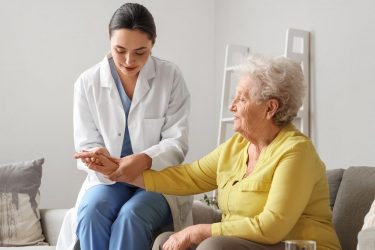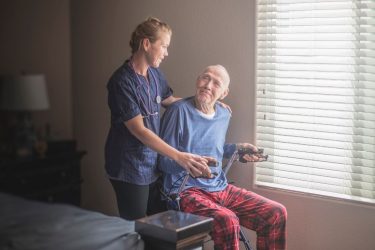

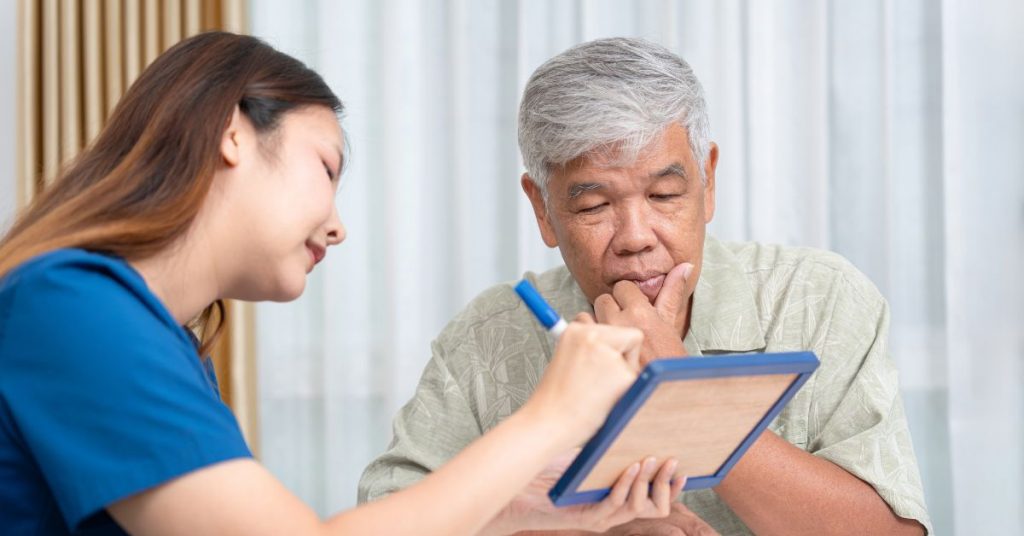
Are you searching for the ideal caregiver who truly understands your loved one’s unique needs? Discover how personalized caregiving is transforming senior care across Canada and why it’s the key to dignified, effective care that feels like family.
Why One-Size-Fits-All Caregiving Doesn’t Work
Picture this: 82-year-old Margaret from Toronto loves her morning tea with exactly two sugar cubes, enjoys discussing her garden roses, and feels most comfortable with caregivers who speak softly. Meanwhile, 76-year-old Robert from Vancouver is a former engineer who appreciates direct communication, needs help managing his diabetes medication, and wants to maintain his independence.
Two seniors. Two completely different personalities, needs, and care preferences. Yet traditional caregiving services often treat them exactly the same way.
This is precisely why personalized caregiving has become the gold standard for senior care in Canada. It’s not just about finding “a caregiver” it’s about finding the right caregiver who connects with your loved one on both practical and personal levels.
What Makes Caregiving Truly Personalized?
Beyond Basic Care Tasks
While traditional caregiving focuses on completing essential tasks like medication management and meal preparation, personalized caregiving goes much deeper. It’s about understanding the whole person their history, preferences, fears, and joys.
Traditional Approach:
- Medication at 9 AM
- Meal preparation
- Basic safety monitoring
- Generic conversation
Personalized Approach:
- Medication with Margaret’s preferred morning routine and gentle reminders
- Meals that honor cultural preferences and dietary restrictions
- Safety that doesn’t compromise independence
- Meaningful conversations about shared interests
The Science Behind Personal Connection
Research from the Canadian Institute for Health Information shows that seniors who receive personalized care experience:
- 40% better health outcomes
- Reduced anxiety and depression
- Improved medication compliance
- Enhanced quality of life
- Stronger sense of dignity and autonomy
When caregivers understand a senior’s background whether they’re a retired teacher who loves classical music or a former carpenter who enjoys building small projects they can create care experiences that feel natural and respectful rather than clinical.
The Canadian Caregiving Landscape: Challenges and Opportunities
Understanding Canada’s Growing Need
Canada is experiencing an unprecedented demographic shift. With over 7 million seniors currently and projections reaching 10.4 million by 2037, the demand for personalized care has never been higher.
This growth brings unique challenges:
- Geographic diversity: From urban Toronto to rural Newfoundland, care needs vary significantly
- Cultural richness: Canada’s multicultural population requires culturally sensitive care
- Healthcare integration: Provincial health systems create different care coordination needs
- Family dynamics: Multi-generational families often juggle care responsibilities across distances
The aging population challenge isn’t just about numbers it’s about ensuring that every Canadian senior receives care that honors their individual dignity and preferences.
Provincial Variations in Care Needs
Atlantic Provinces: Higher concentration of seniors, often requiring more specialized care for chronic conditions and aging in place support.
Quebec: Unique linguistic and cultural considerations requiring bilingual or French-speaking caregivers familiar with Quebecois culture.
Ontario: Diverse urban centers with complex family structures often needing flexible scheduling and culturally diverse caregiver options.
Western Provinces: Distance challenges requiring creative solutions for rural seniors and indigenous communities.
Key Components of Personalized Caregiving
1. Comprehensive Assessment and Matching
The foundation of personalized care starts with understanding both the senior and potential caregivers on multiple dimensions:
For Seniors:
- Physical health needs and limitations
- Cognitive status and preferences
- Emotional and social needs
- Cultural background and language preferences
- Daily routines and personal preferences
- Family dynamics and support systems
For Caregivers:
- Professional skills and certifications
- Experience with specific conditions
- Personality traits and communication style
- Cultural competency and language skills
- Availability and location flexibility
- Personal interests and hobbies
2. Advanced Matching Technology
Modern personalized caregiving leverages sophisticated algorithms that consider dozens of compatibility factors. AI-powered matching systems analyze:
- Skill compatibility: Matching caregivers with specific expertise to seniors with particular needs
- Personality alignment: Ensuring communication styles and temperaments complement each other
- Schedule coordination: Optimizing availability for both parties
- Geographic proximity: Minimizing travel time while maximizing care time
- Cultural sensitivity: Respecting religious, dietary, and cultural preferences
3. Ongoing Relationship Development
Unlike episodic care, personalized caregiving focuses on building lasting, meaningful relationships. This includes:
Continuity of Care: The same caregiver whenever possible, allowing deep relationships to develop Regular Check-ins: Systematic evaluation of the care relationship’s effectiveness Adaptive Care Plans: Adjusting approaches as needs and preferences evolve Family Integration: Including family members in care planning and updates
The KindredCare Approach to Personalized Matching
As Canada’s leading AI-powered caregiving platform, KindredCare has revolutionized how families find personalized care. Our approach combines cutting-edge technology with human insight to create matches that feel natural and supportive.
Our Three-Pillar System
1. Intelligent Profiling Every senior and caregiver completes comprehensive assessments that go beyond basic qualifications. We evaluate personality traits, communication preferences, lifestyle choices, and even shared interests that can spark meaningful connections.
2. AI-Powered Analysis Our proprietary algorithm analyzes thousands of data points to identify compatibility across multiple dimensions. Unlike generic matching services, we consider factors like:
- Whether someone prefers gentle guidance or direct instruction
- Cultural food preferences and dietary needs
- Activity preferences and mobility considerations
- Communication styles and conversation topics
3. Human Verification Technology identifies great matches, but our care coordinators ensure they’re perfect. Every match is reviewed by experienced professionals who understand the nuances of caregiving relationships.
Success Stories from Across Canada
Maritime Connection: In Halifax, we matched 78-year-old Marie, a former French teacher with early-stage dementia, with Catherine, a bilingual caregiver who shares Marie’s love of poetry. Their daily French conversations and poetry readings have become the highlight of Marie’s week.
Prairie Partnership: In Saskatoon, retired farmer Bill found connection with James, a caregiver who grew up on a farm and understands rural life. Their shared agricultural knowledge has made Bill’s transition to assisted living feel less like loss and more like sharing wisdom.
Urban Understanding: In Vancouver’s multicultural community, we connected Mrs. Chen, who speaks limited English, with Li, a Mandarin-speaking caregiver familiar with traditional Chinese medicine preferences and cultural dining customs.
Benefits of Personalized Caregiving for Families
Reduced Family Stress and Guilt
One of the most significant advantages of personalized caregiving is the peace of mind it provides families. When you know your loved one is with someone who truly “gets” them, the worry decreases significantly.
Common Family Concerns Addressed:
- “Will the caregiver understand Mom’s specific way of doing things?”
- “What if Dad doesn’t like the caregiver’s personality?”
- “How do we ensure cultural and religious preferences are respected?”
- “Will the caregiver recognize subtle changes in condition or mood?”
Enhanced Communication and Trust
Personalized matches often result in:
- More open communication between seniors and caregivers
- Better medication compliance through trusted relationships
- Increased willingness to accept help with dignity
- Stronger advocacy during health crises
The difference between a senior reluctantly accepting help and enthusiastically welcoming their caregiver often comes down to the quality of the personal match.
Long-Term Cost Effectiveness
While personalized caregiving might seem more expensive initially, it often proves more cost-effective over time:
- Reduced turnover: Better matches mean longer caregiver relationships
- Fewer health crises: Attentive, personalized care often prevents emergencies
- Delayed institutionalization: Quality home care can postpone or eliminate the need for facility placement
- Improved medication compliance: Reducing hospitalizations and complications
Specialized Personalized Care Categories
Memory Care and Dementia Support
Caring for someone with Alzheimer’s or dementia requires specialized skills and infinite patience. Personalized matching ensures caregivers have:
- Experience with specific stages of memory loss
- Training in redirection and validation techniques
- Understanding of sundowning and behavioral changes
- Ability to maintain dignity during difficult moments
Compassionate dementia care focuses on connecting with the person behind the disease, using their life history and preferences to create meaningful daily experiences.
Chronic Disease Management
Seniors with chronic conditions like diabetes, heart disease, or COPD need caregivers who understand their specific challenges. Personalized matching considers:
- Medical knowledge relevant to the condition
- Experience with specific equipment or treatments
- Understanding of symptoms and warning signs
- Ability to provide encouragement during difficult health days
Post-Surgical and Recovery Care
Recovery periods require caregivers who can adapt their approach as seniors regain independence. Successful matches understand:
- Physical therapy goals and limitations
- Pain management preferences
- Motivation styles that encourage progress
- When to provide help versus when to encourage independence
Palliative and End-of-Life Care
Perhaps no other form of care requires such deep personalization. Hospice caregivers must understand not just medical needs but also:
- Spiritual and cultural beliefs about death and dying
- Family dynamics during difficult times
- Preferences for comfort and dignity
- Communication styles for sensitive conversations
How to Find Your Personalized Caregiver Match
Step 1: Self-Assessment
Before beginning your search, take time to understand your specific needs:
Medical Needs Checklist:
- What conditions require ongoing management?
- Are there specific skills or certifications required?
- What equipment or medical knowledge is necessary?
- How important is experience with similar situations?
Personal Preferences Assessment:
- What personality traits work best with your loved one?
- Are there language or cultural requirements?
- What are deal-breakers versus nice-to-haves?
- How important is age, gender, or background similarity?
Step 2: Comprehensive Evaluation
Work with a service that conducts thorough evaluations of both seniors and caregivers. Look for assessments that include:
- Medical history and current needs
- Cognitive assessment and communication preferences
- Daily routine and lifestyle preferences
- Family dynamics and support systems
- Cultural, religious, and dietary requirements
- Personal interests and conversation topics
Step 3: Trial Periods and Adjustments
Even the best matching process benefits from real-world testing. Look for services that offer:
- Meet-and-greet sessions before committing to care
- Trial periods to ensure compatibility
- Regular check-ins during the first few weeks
- Adjustment options if the match isn’t perfect initially
Step 4: Ongoing Support and Communication
Personalized caregiving is an evolving process. Ensure your chosen service provides:
- Regular communication about care quality
- Flexibility to adjust care plans as needs change
- Quick response to concerns or issues
- Backup plans for caregiver illness or changes
The Technology Behind Modern Personalized Caregiving
AI and Machine Learning
Modern personalized caregiving platforms use sophisticated algorithms that continuously learn and improve. These systems:
- Analyze successful matches to identify patterns and preferences
- Predict compatibility based on comprehensive data analysis
- Adapt recommendations based on feedback and outcomes
- Identify potential issues before they become problems
Data Security and Privacy
With personal information at the heart of matching, privacy protection is crucial:
- Encrypted data storage protecting personal and medical information
- Controlled access ensuring only authorized personnel see sensitive data
- Compliance with Canadian privacy laws including PIPEDA requirements
- Transparent data usage policies that explain how information is used
Integration with Healthcare Systems
Leading platforms integrate with existing healthcare systems to:
- Share relevant information with healthcare providers
- Track health outcomes and care effectiveness
- Coordinate with medical appointments and treatments
- Alert healthcare providers to significant changes
Overcoming Common Challenges
Caregiver Turnover
One of the biggest challenges in traditional caregiving is high turnover rates. Personalized matching significantly reduces this by:
- Creating natural compatibility between caregivers and clients
- Ensuring caregivers feel appreciated and understood
- Providing ongoing support for both parties
- Recognizing and addressing issues before they lead to turnover
Geographic Limitations
Rural and remote areas face unique challenges in finding personalized care. Solutions include:
- Extended service areas for qualified caregivers
- Technology-assisted care supplementing in-person visits
- Flexible scheduling to accommodate travel distances
- Community partnerships to expand available options
Cost Concerns
While personalized care may have higher upfront costs, long-term benefits often provide better value:
- Reduced turnover costs from better initial matching
- Fewer health emergencies due to attentive, personalized care
- Government assistance programs that may help with costs
- Family cost-sharing when multiple family members benefit
Language and Cultural Barriers
Canada’s diversity creates opportunities for rich cultural matching but also challenges:
- Multilingual caregiver networks serving diverse communities
- Cultural competency training for caregivers
- Religious and dietary accommodation capabilities
- Translation services when needed
The Future of Personalized Caregiving in Canada
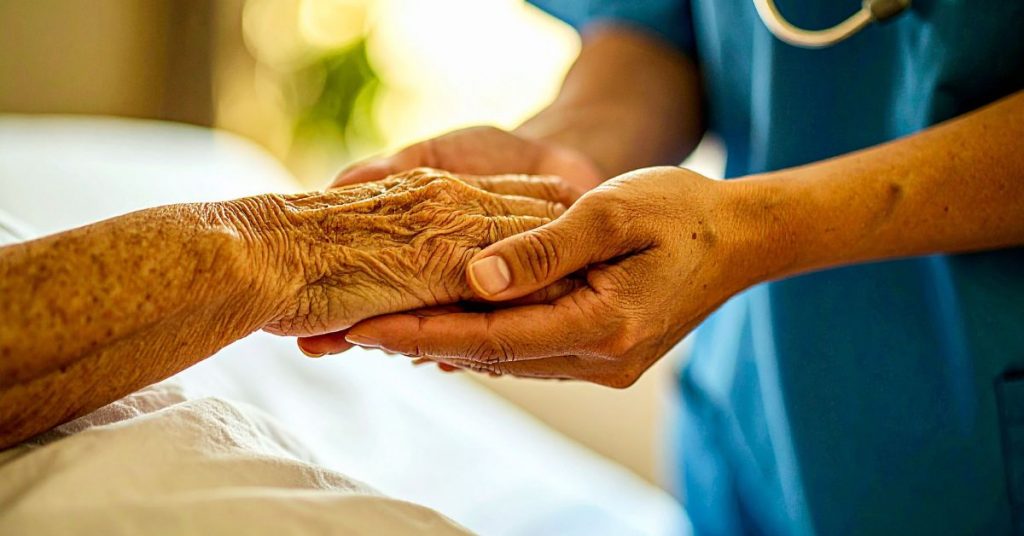
Emerging Trends
The personalized caregiving landscape continues to evolve with:
Predictive Analytics: Using data to anticipate care needs before they become urgent Virtual Reality: Helping caregivers better understand seniors’ perspectives and challenges Wearable Technology: Monitoring health metrics to personalize care in real-time Telehealth Integration: Combining in-person personalized care with remote medical support
Policy and Regulation Changes
Canadian healthcare policy increasingly recognizes the value of personalized care:
- Home care funding expanding to support quality matching services
- Professional standards developing for AI-assisted care coordination
- Quality metrics focusing on relationship quality and satisfaction
- Insurance coverage beginning to recognize personalized care benefits
Expanding Access
Future developments will focus on making personalized care accessible to more Canadians:
- Rural service expansion through technology and transportation solutions
- Sliding scale pricing based on income and need
- Community partnerships expanding available caregiver pools
- Government subsidies for qualifying families
Making the Decision: Is Personalized Caregiving Right for You?
Signs You Need Personalized Care
Consider personalized caregiving services if:
- Previous caregivers haven’t been good personality matches
- Your loved one has specific cultural or language needs
- There are complex medical conditions requiring specialized knowledge
- Family dynamics require sensitive, skilled navigation
- Your loved one has strong preferences about daily routines and personal care
Questions to Ask Potential Services
When evaluating personalized caregiving options:
- How comprehensive is your assessment process?
- What happens if the initial match doesn’t work out?
- How do you handle caregiver illness or turnover?
- What ongoing support do you provide families?
- How do you ensure caregiver qualifications and background checks?
- What technology do you use to facilitate matching?
- How do you measure and track care quality?
Red Flags to Avoid
Be cautious of services that:
- Promise instant matches without thorough assessment
- Don’t offer meet-and-greet opportunities
- Have limited caregiver screening processes
- Don’t provide ongoing support or communication
- Can’t explain their matching methodology
- Don’t have clear policies for handling problems
Financial Planning for Personalized Caregiving
Understanding Costs
Personalized caregiving costs vary significantly based on:
- Level of care needed (basic assistance vs. complex medical needs)
- Hours of service (part-time vs. full-time care)
- Geographic location (urban vs. rural, different provinces)
- Caregiver qualifications (PSW, RN, specialized training)
- Service complexity (basic matching vs. comprehensive care coordination)
Funding Sources and Assistance
Government Programs:
- Provincial home care funding varies by province
- Veterans Affairs benefits for qualified veterans
- Caregiver pilot programs offering support
- Disability tax credits reducing overall care costs
Private Options:
- Long-term care insurance policies
- Family cost-sharing arrangements
- Health savings accounts
- Employee assistance programs
Community Resources:
- United Way funding for qualifying families
- Religious and community organization support
- Sliding scale programs from care providers
- Volunteer companion programs supplementing paid care
Financial Planning Tips
- Budget for quality: Investing in good matching saves money long-term through reduced turnover and better health outcomes
- Explore all funding sources: Many families miss available assistance programs
- Consider family contributions: Multiple family members can share costs and decision-making
- Plan for changing needs: Care requirements and costs typically increase over time
- Get professional advice: Elder law attorneys and financial planners can help optimize care funding
Creating a Support Network
Beyond the Primary Caregiver
Personalized caregiving works best as part of a broader support network:
Family Involvement:
- Regular family meetings to discuss care and concerns
- Shared responsibility for oversight and decision-making
- Clear communication channels for updates and changes
- Respite planning for primary family caregivers
Healthcare Team Integration:
- Coordination with doctors, specialists, and therapists
- Medication management with pharmacy partners
- Emergency planning with hospital and clinic contacts
- Mental health support when needed
Community Connections:
- Social activities and programs preventing isolation
- Religious or cultural community involvement
- Volunteer visitor programs
- Senior center activities and resources
Managing Caregiver Burnout
Even with personalized professional care, family members can experience burnout. Prevention strategies include:
- Regular respite care giving family caregivers breaks
- Support groups for families dealing with similar challenges
- Professional counseling when stress becomes overwhelming
- Shared caregiving distributing responsibility among multiple family members
Conclusion: The Future is Personal
Personalized caregiving represents a fundamental shift from treating seniors as generic care recipients to honoring them as unique individuals with rich histories, specific preferences, and particular needs. In Canada’s diverse and aging society, this approach isn’t just nice to have it’s essential for dignified, effective care.
The technology exists today to make truly personalized matches between seniors and caregivers. Platforms like KindredCare are using AI and comprehensive assessment tools to create connections that feel natural and supportive rather than clinical and impersonal.
For families facing caregiving decisions, the message is clear: you don’t have to settle for generic care that treats your loved one like just another client. Personalized caregiving ensures that the person caring for your family member understands their story, respects their preferences, and connects with them as an individual.
The investment in finding the right caregiver someone who truly fits with your loved one’s personality, needs, and preferences pays dividends in better health outcomes, improved quality of life, and peace of mind for the entire family.
As Canada’s population ages, personalized caregiving will become the standard, not the exception. The families who embrace this approach now will discover that care doesn’t have to feel like an intrusion it can feel like gaining a trusted friend who happens to be trained to help.
Ready to find the perfect caregiver match for your loved one? Start your personalized caregiving journey today with KindredCare’s AI-powered matching platform. Join our community of families and caregivers who believe that great care starts with great connections.